Shape Shifters
A website made to share our progress and show the impact of the properties that similar polygons have, and how they can help construct real-world structres.
What are similar triangles?
Similar triangles are triangles that have the same shape but not necessarily the same size. This means:
- Their corresponding angles are equal.
- Their corresponding sides are in proportion (have the same ratio).
King Al-Faisaliah Tower
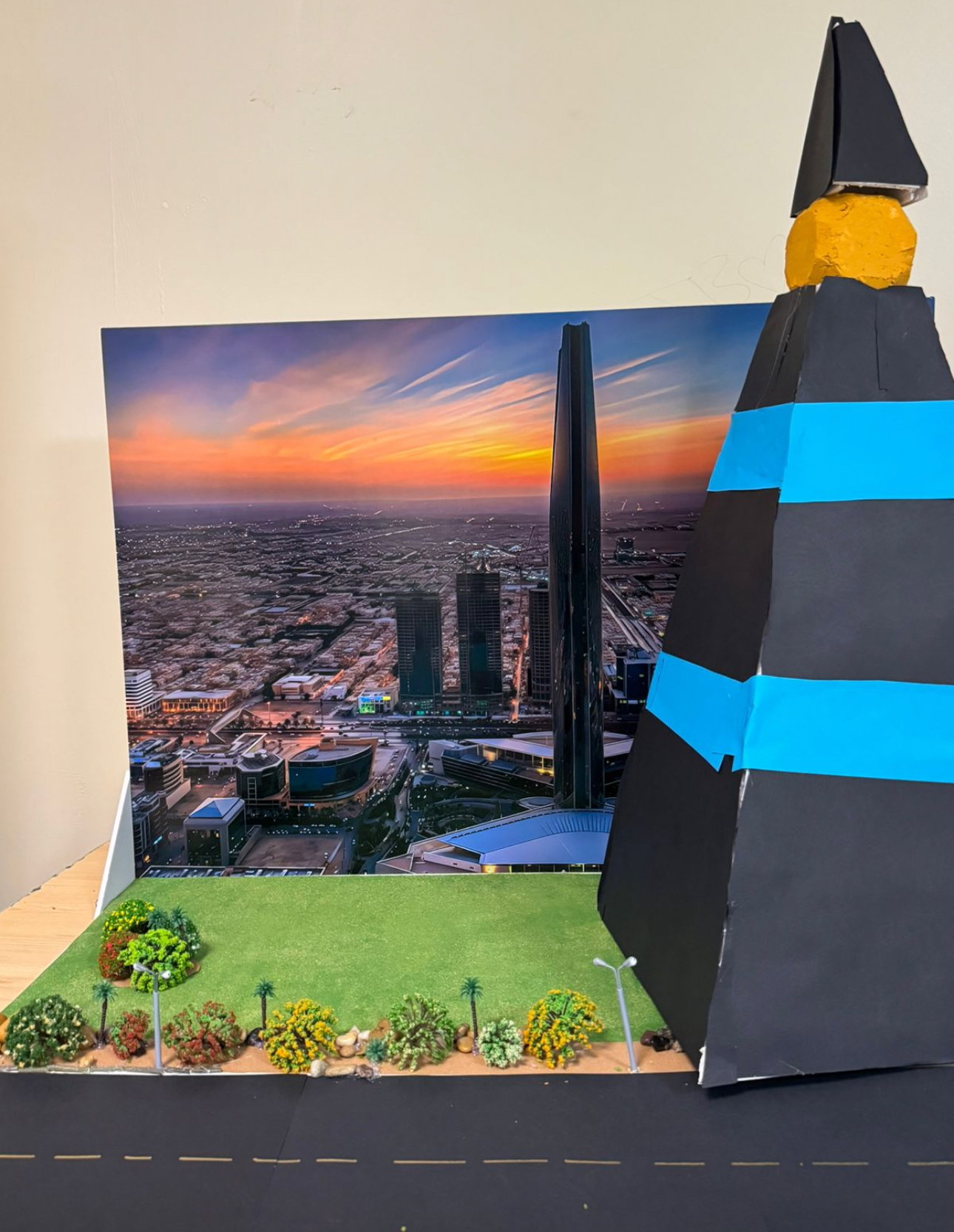
For our project we chose to make a model of the King Al-Faisaliah Tower, it is a pyramid-shaped commercial skyscraper and mixed-use complex located in the al-Olaya district of Riyadh, Saudi Arabia. We chose this tower because it's one of the most iconic landmarks in Saudi Arabia. Its unique design and cultural significance represent modern development while still reflecting traditional Islamic architecture.
Uses of Similar Triangles
Architecture and construction
- Used for creating scale models and building designs that maintain the same shape at different sizes.
Surveying
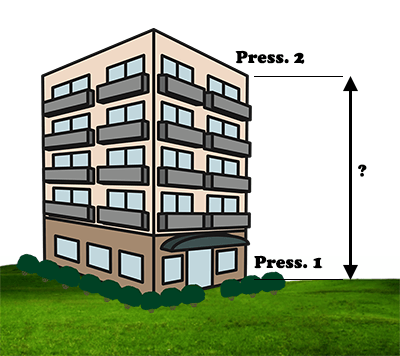
- Used to measure heights and distances indirectly.
Navigation and mapping
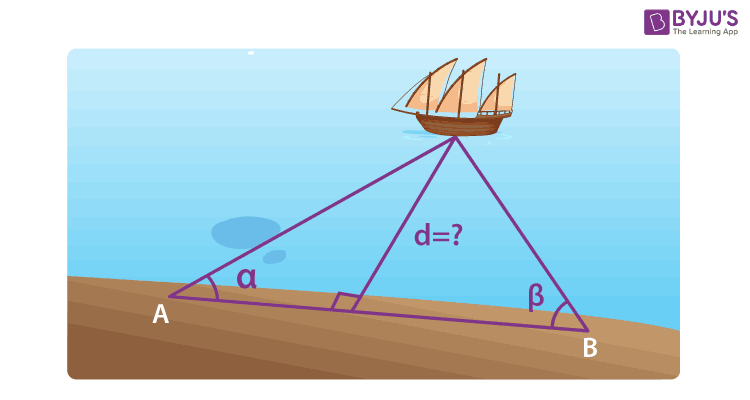
- To determine locations and distances on maps using triangulation..
Astronomy
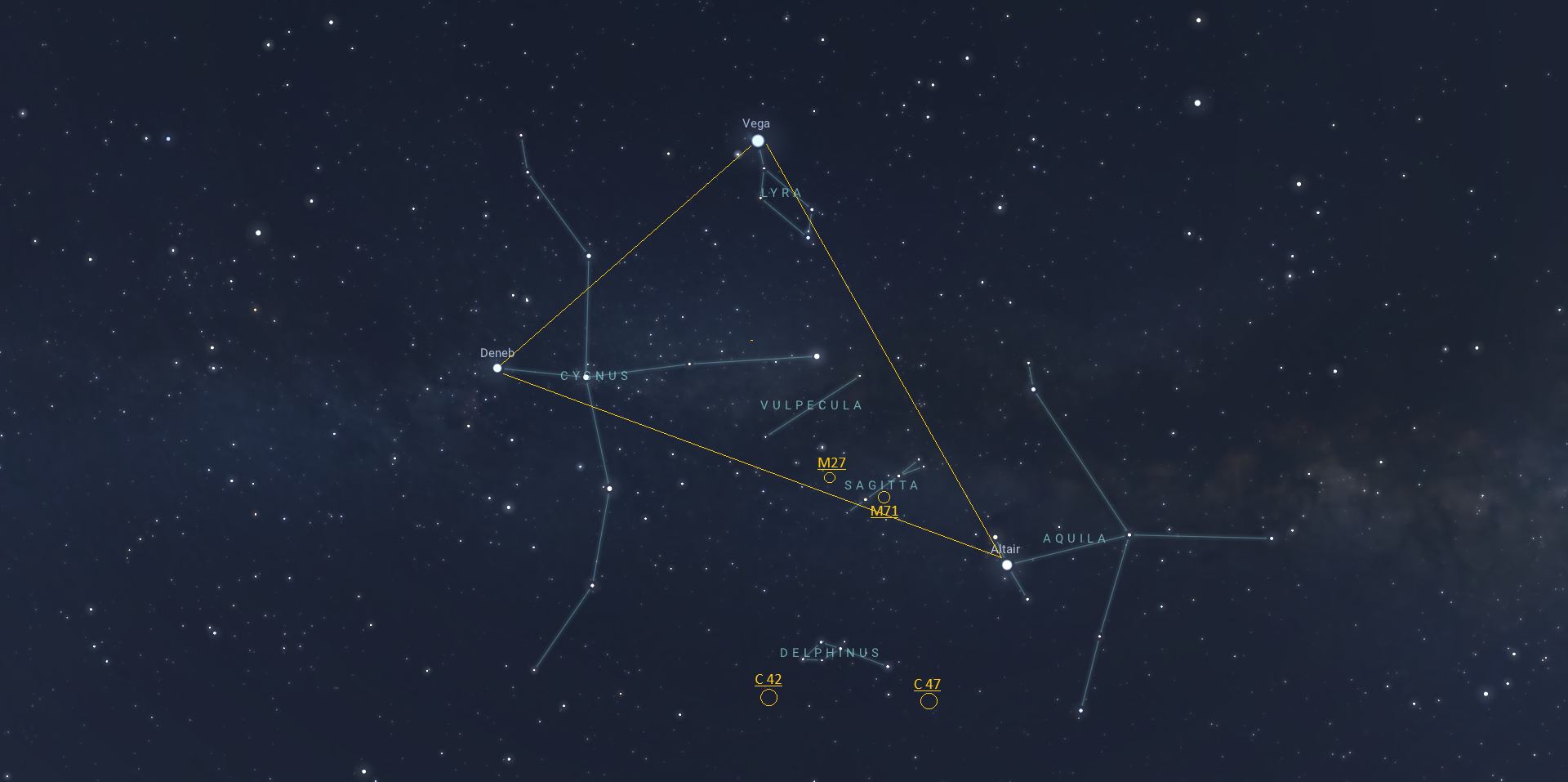
- To calculate distances to stars or planets using similar triangle principles.
Art and design
- To enlarge or reduce drawings while keeping proportions accurate.
How We Used Similar Triangles:
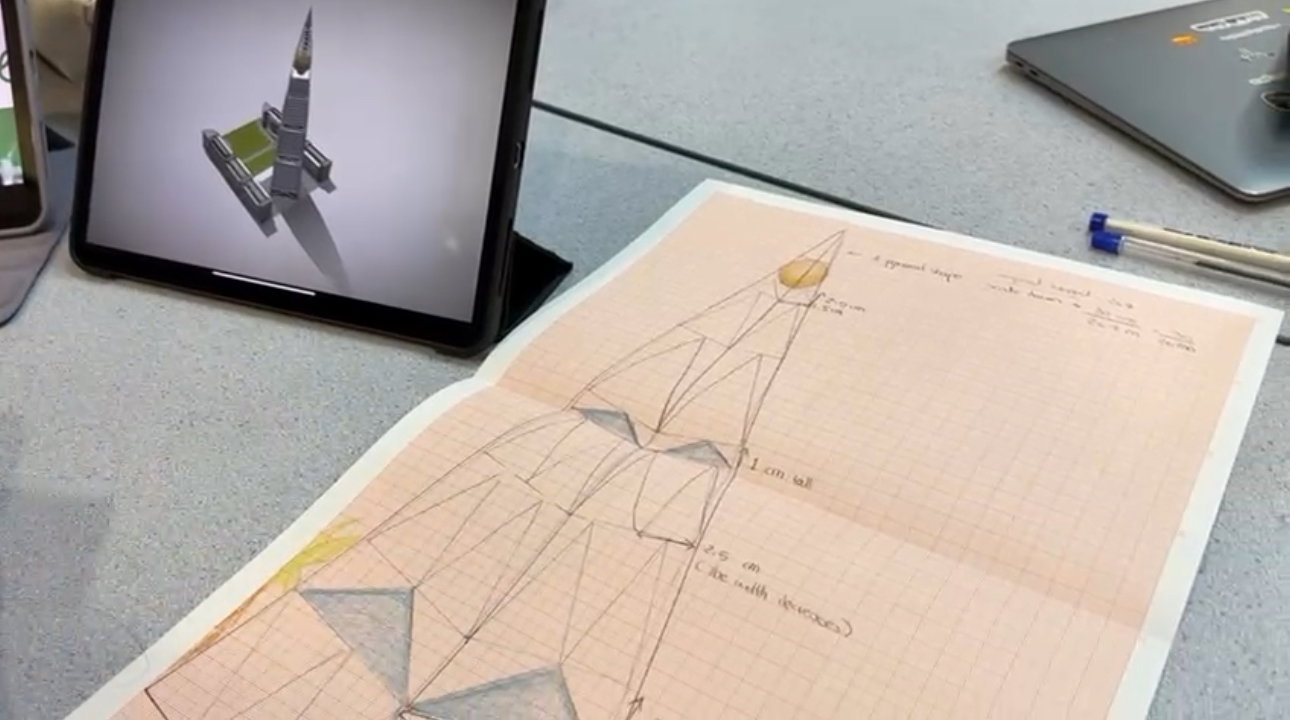
To construct a scaled-down model of the Burj Al Faisaliah, we can apply the concept of similar triangles, which allows us to keep the same shape as the original building by maintaining equal angles and proportional side lengths.Here’s how we do it:
- Simplify the shape – The Burj Al Faisaliah has a pyramid-like design, which can be represented as a triangle when viewed from the side.
- Use real measurements – The actual building is about 267 meters tall and 57 meters wide at the base.
- Decide your model height – Our model will be 56 cm tall, so we calculate the scale factor:
Scale factor = 56 cm / 26,700 cm ≈ 1:477 - Scale the width – Apply the same scale factor to the base width (5700 cm):
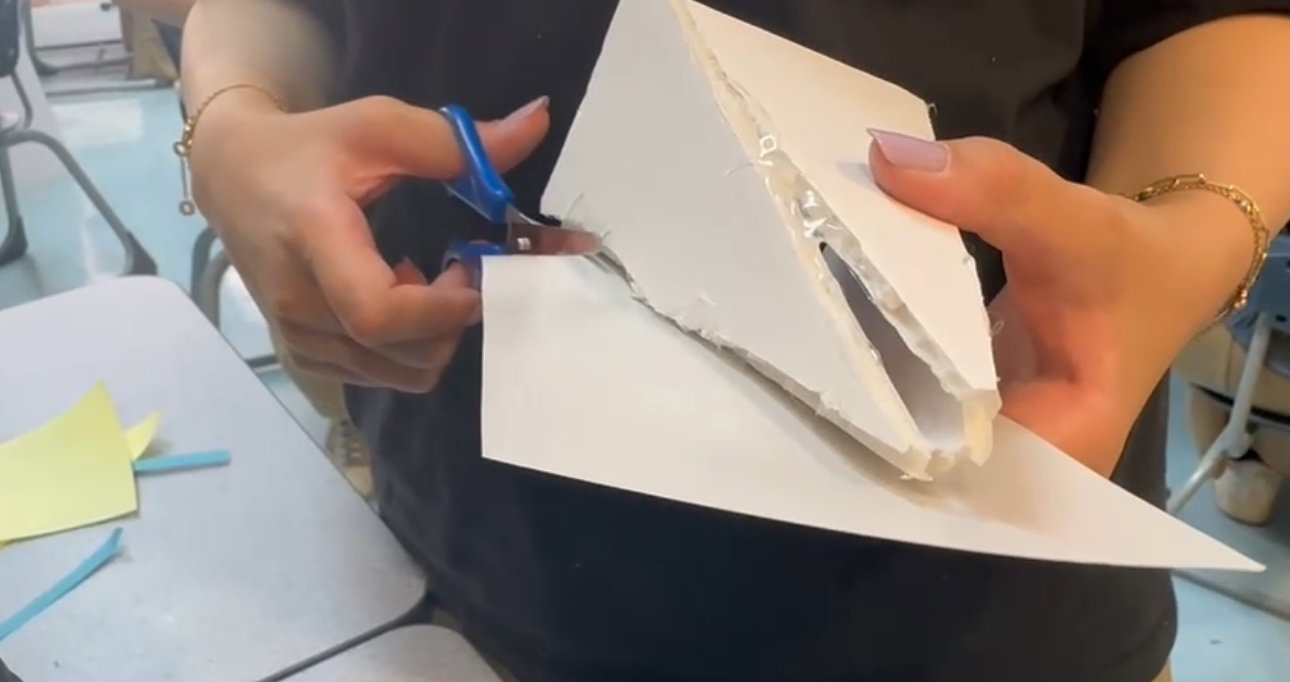
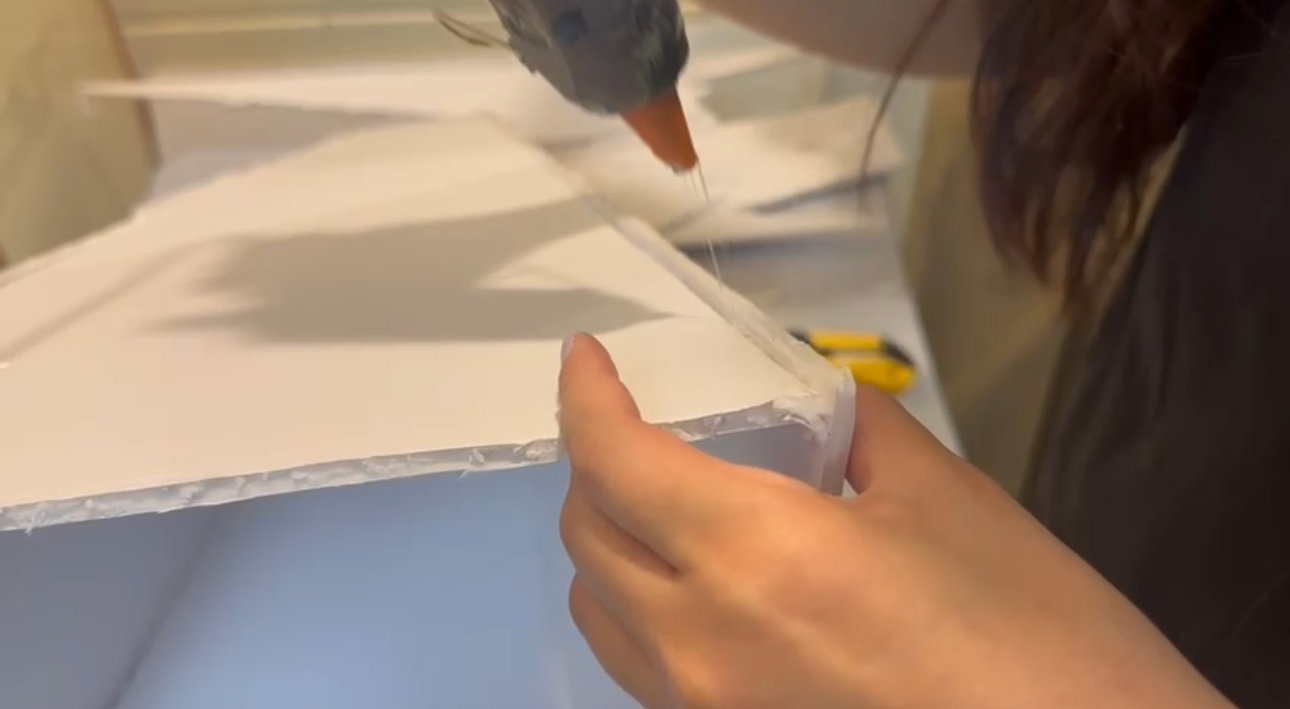
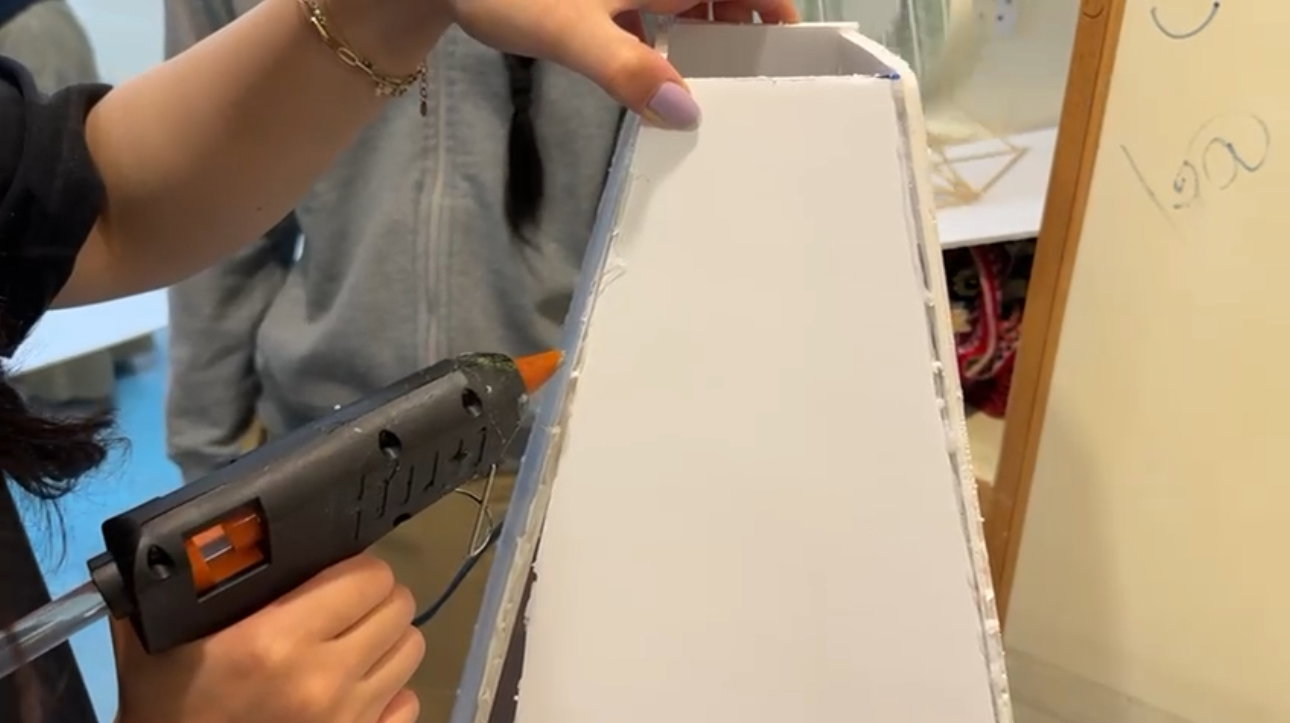
Model width = 5700 cm ÷ 477 ≈ 11.95 cm - Build the triangle – We construct a triangle that is 56 cm tall and 11.95 cm wide at the base. Because both dimensions were scaled by the same factor, our model keeps the exact shape of the real Burj Al Faisaliah.